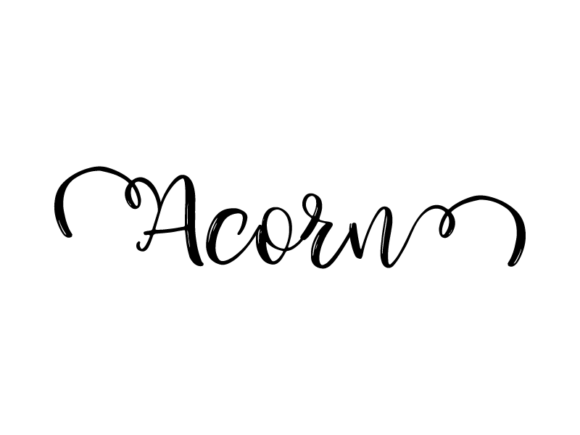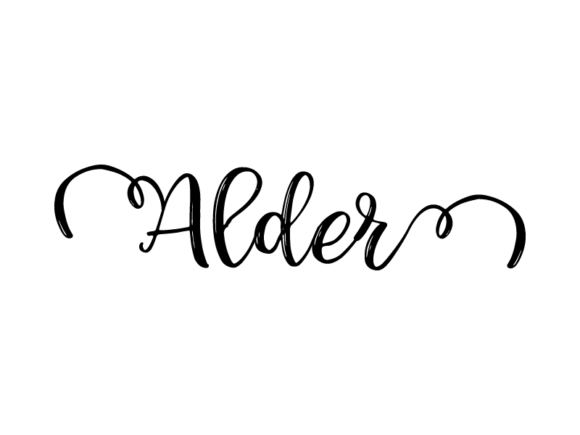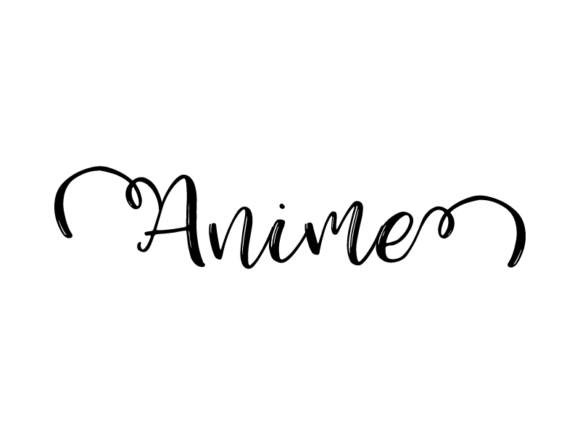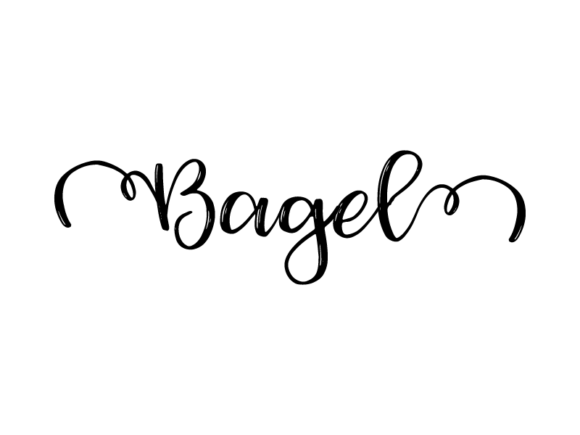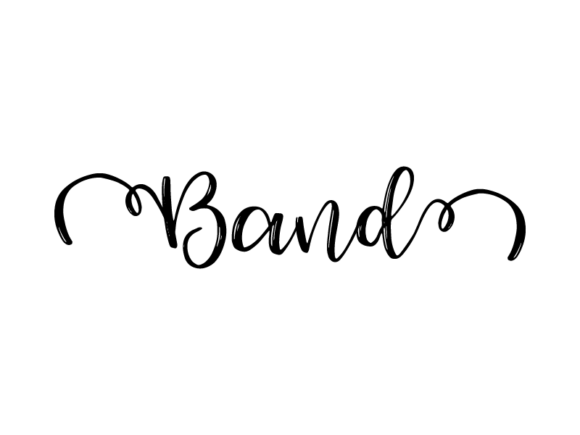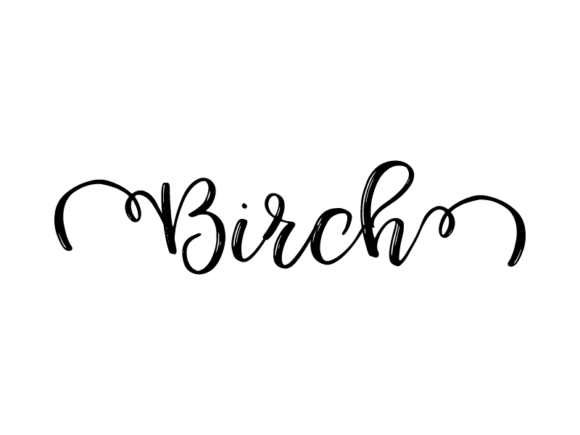
Unlock Creative Freedom with Birch Lettering: Hand-Drawn Vector Monochrome Graphic Lettering
Imagine a single design file that transforms your creative projects — whether you're designing a cozy linen pillow, launching a boutique clothing line, crafting classroom learning tools, or building a bold social media campaign. That’s the power of Birch Lettering: a collection of hand-drawn, monochrome graphic lettering sets delivered as scalable, editable vector files — primarily in SVG format. Designed for versatility and ease, Birch Lettering bridges the gap between artisanal charm and digital precision.
What Exactly Is Birch Lettering?
Birch Lettering isn’t just another font or clipart pack. It’s a curated library of hand-drawn typographic illustrations — each letter, word, or phrase carefully crafted by hand, then digitized into clean, crisp vector graphics. Unlike traditional fonts (which rely on character mapping and kerning rules), these are graphic elements: fully editable shapes with no text limitations. That means every curve, serif, and flourish is a path you can tweak, stretch, recolor, or layer — all without pixelation or quality loss.
The “monochrome” aspect is intentional and strategic. By using a single-color, high-contrast aesthetic (typically black-on-transparent or white-on-transparent), Birch Lettering ensures maximum flexibility across mediums — from screen-printed t-shirts to laser-cut wooden tags, from matte-finish greeting cards to glossy enamel pins.
Why Vector? Why SVG?
Vector graphics are math-based — defined by points, lines, and curves rather than pixels. This makes them infinitely scalable: zoom in 500% or shrink to 10% — clarity remains perfect. SVG (Scalable Vector Graphics) is the web-friendly, universally supported vector format. It opens seamlessly in Adobe Illustrator, Affinity Designer, Inkscape, CorelDRAW, Cricut Design Space, Silhouette Studio, and even modern browsers.
Unlike raster images (like JPEGs or PNGs), SVG files retain full editability. You’re not stuck with preset colors or fixed sizes. Want that “Dream Big” phrase in sage green on a cream notebook cover? Done. Need “Hello” resized to 3 inches tall for a vinyl decal on a reusable water bottle? Effortless. Prefer a minimalist black-and-white look for a yoga studio’s business card? One click away.
Real-World Uses: From Classroom to Commerce
The adaptability of Birch Lettering makes it indispensable across diverse fields. Here’s how people are putting it to work today:
- Educators & Students: Create engaging flashcards, bulletin board displays, reading posters, or personalized name tags — all editable for differentiated instruction or multilingual classrooms.
- Small Business Owners: Build cohesive branding — from logo lockups and packaging labels to Instagram story templates and email newsletter headers — without hiring a designer for every variation.
- Crafters & Makers: Cut precise designs for iron-on transfers, heat-transfer vinyl (HTV), sublimation prints, embroidery digitizing guides, or paper quilling patterns.
- Design Professionals: Accelerate mockups for client presentations, add authentic hand-lettered flair to UI components, or integrate expressive typography into editorial layouts for magazines and e-books.
- Home Décor Enthusiasts: Print and frame inspirational quotes on canvas, stencil birch-themed phrases onto throw pillows, or etch elegant lettering onto glassware and ceramic mugs.
More Than Just Decoration — A Tool for Expression
At its core, Birch Lettering supports intentional communication. Hand-drawn lettering carries warmth, personality, and humanity — qualities often missing in sterile system fonts. When you choose a flowing script or a bold, geometric sans-serif variant from a Birch set, you’re not just selecting letters; you’re choosing tone, mood, and brand voice.
For example, a children’s book illustrator might use a playful, bouncy script variant for chapter headings — evoking curiosity and joy. A sustainable skincare brand may opt for a refined, organic serif style to reinforce natural authenticity and craftsmanship. A tech startup launching an educational app could combine clean lines with subtle hand-drawn imperfections — signaling innovation grounded in empathy.
Common Misconceptions — Clarified
Before diving in, let’s clear up a few frequent assumptions:
- “It’s just a font.” — No. Fonts install into your system and behave like text. Birch Lettering is made of vector shapes — meaning you manipulate them like artwork, not type. You won’t “type” with it — you’ll place, scale, and customize pre-designed letterforms.
- “I need advanced design skills.” — Not at all. If you’ve ever dragged a shape in Canva or adjusted a slider in Cricut Design Space, you already have the foundational know-how. Tutorials for resizing, ungrouping, and recoloring are widely available — and most Birch sets include intuitive layer organization.
- “Monochrome means boring.” — Quite the opposite. Monochrome is a design superpower. It simplifies production (no color matching headaches), ensures accessibility (high contrast = better readability), and invites creativity — because you decide where and how color lives in your project.
- “SVG only works online.” — False. While SVG excels on websites and apps, professional print shops accept vector files daily. When exporting for CMYK printing (e.g., brochures or packaging), simply convert your final composition to PDF/X-4 or EPS — retaining full fidelity.
Getting Started: Simple Steps for Immediate Impact
You don’t need years of experience to begin. Here’s how to start strong:
- Choose Your Purpose: Are you designing for fabric, paper, digital screens, or physical objects? This guides your size, stroke weight, and spacing decisions.
- Open in Compatible Software: Adobe Illustrator is ideal for deep editing, but free tools like Inkscape or browser-based editors like Vectr work beautifully for basic adjustments.
- Ungroup & Customize: Most Birch Lettering files arrive grouped for convenience. Right-click → “Ungroup” to isolate individual letters or decorative elements. Then adjust fill, stroke, opacity, or apply gradients.
- Resize Without Fear: Drag corners freely — vectors scale infinitely. For craft cutting machines, always check your software’s dimension lock and units (inches vs. mm).
- Export Smartly: Save final versions as SVG for web/digital use, PDF for print, or PNG only if transparency + raster output is required (e.g., social media banners).
Design Ethics & Best Practices
When using Birch Lettering commercially, always review the included license. Most reputable sets offer extended commercial licenses — permitting use on physical products you sell (t-shirts, mugs, stickers) and digital deliverables (e-books, courses, templates). However, redistribution of the raw vector files — or claiming authorship — is never permitted. Respecting licensing ensures designers continue creating high-quality, original work for the creative community.
Why Birch Lettering Fits Today’s Creative Landscape
In an era saturated with AI-generated content and algorithm-driven aesthetics, hand-drawn lettering stands out as authentically human. Birch Lettering meets rising demand for thoughtful design — where every curve tells a story and every layout reflects care. It empowers teachers to inspire without budget constraints, helps solopreneurs build memorable brands on a shoestring, and gives hobbyists confidence to turn ideas into tangible, beautiful things.
Whether you’re sketching ideas in a notebook or coding a responsive landing page, Birch Lettering reminds us that great design begins with intention — and flourishes through flexibility.
So go ahead: resize that “Adventure Awaits” phrase for your hiking club’s tote bag. Recolor “Grateful” in terracotta for your café’s seasonal menu. Layer “Create” over a watercolor background for your next workshop flyer. With Birch Lettering, the only limit is your imagination — and the possibilities are beautifully, effortlessly monochrome.