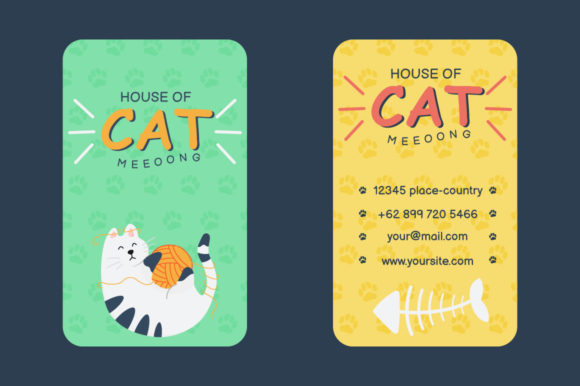
Cute Business Card Template: A Versatile Digital Asset for Creative Professionals
Whether you're launching a boutique bakery, managing a freelance design studio, or organizing a community event, first impressions matter—especially when they come in the form of a business card. The Cute Business Card Template bridges aesthetics and practicality, offering creators and small business owners an accessible, high-quality starting point for professional branding—without requiring advanced design skills.
What Exactly Is the Cute Business Card Template?
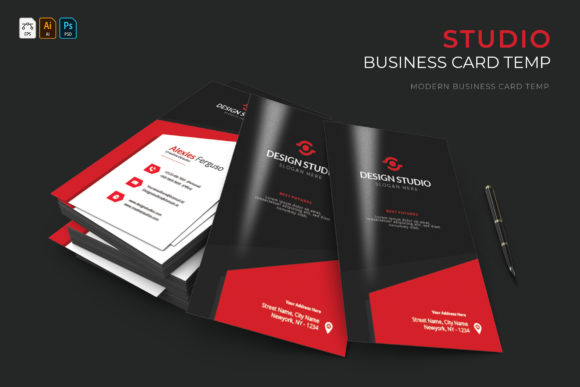
At its core, the Cute Business Card Template is a ready-to-use digital design file set crafted for flexibility and visual charm. It’s not just “cute” in name—it balances playful elements (think soft pastel palettes, hand-drawn accents, subtle florals, or minimalist kawaii-inspired motifs) with clean typography and balanced layout structure. Unlike generic clipart packs, this template is purpose-built for real-world output: it’s optimized for print and digital reuse across multiple platforms and projects.
Key Features That Make It Stand Out
- High-resolution 300 DPI output — Ensures crisp, professional printing whether you’re ordering from a local print shop or using home-based inkjet printers.
- Multiple editable file formats — Includes EPS (scalable vector), AI (Adobe Illustrator native), and JPG (ready-to-use raster). This means designers can tweak colors and layout in vector software, while non-designers can easily insert the JPG into Canva, Word, or PowerPoint.
- Universal compatibility — Works seamlessly with popular tools like Adobe Creative Suite, Affinity Designer, Cricut Design Space, Silhouette Studio, and even basic photo editors.
- Print-ready dimensions — Standard US business card size (3.5 × 2 inches) with bleed and safe zone guides included—no guesswork needed.
Where Does This Template Shine? Real-World Uses
The Cute Business Card Template extends far beyond its namesake use. Its versatility makes it a quiet powerhouse in many creative workflows:
For Small Business Owners & Solopreneurs
A handmade soap maker can personalize the template with her brand colors and logo, then print cards to hand out at farmers’ markets. A pet sitter might swap in paw-print icons and cheerful fonts—creating a warm, trustworthy impression that resonates with clients before the first meeting.
For Planners & Educators
Teachers use the JPG version as planner stickers—cutting them out with a craft punch or printing on sticker paper. Counselors and life coaches adapt the layout for appointment reminder cards or gratitude journal inserts. Because it's designed at 300 DPI, even tiny details remain legible when scaled down to 1 inch tall.
For Wedding & Event Planners
Instead of commissioning custom stationery for every client, planners use the Cute Business Card Template as a base for “RSVP cards,” “table numbers,” or “thank-you tags.” With vector files, changing text or adjusting spacing takes seconds—not hours.
For DIY Enthusiasts & Crafters
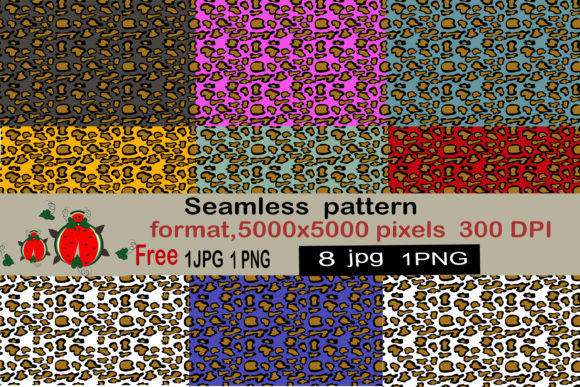
Because it includes EPS and AI files, makers can convert designs for fabric printing (think tote bags or tea towels), laser-cut wood ornaments, or sublimation mugs. One user even adapted the floral border motif into a seamless pattern for printable wrapping paper—proving how far a well-structured template can go.
Who Benefits Most—and Who Might Want to Pause?
Ideal users include:
- Non-designers who need polished results without hiring help
- Small studios juggling tight budgets and timelines
- Hobbyists building personal brands on Instagram or Etsy
- Educators creating classroom resources on a shoestring
Considerations before downloading:
- Licensing matters. While the set permits commercial use (e.g., selling printed cards you’ve customized), always verify the license terms—some versions restrict resale of unaltered files or require attribution.
- “Cute” isn’t universal. If your brand voice leans ultra-minimalist, corporate, or edgy, this template may need heavier customization—or another option entirely. That said, many users find success by simplifying color palettes or swapping fonts to match their tone.
- Software access helps—but isn’t mandatory. You don’t need Illustrator to use the JPG. But if you plan to scale the design up for banners or down for social media avatars, the vector files (EPS/AI) offer true flexibility.
How to Evaluate Fit for Your Project
Ask yourself three quick questions before committing:
- Do I need print-quality clarity at standard or custom sizes? → Yes? Then the 300 DPI resolution and vector options are essential.
- Will I be reusing this design across multiple items (stickers, invites, web graphics)? → Yes? Then having JPG + EPS + AI ensures consistency and saves time.
- Is my brand personality aligned with approachable, friendly, or whimsical visuals? → Not sure? Preview sample layouts—many creators share mockups showing the template on matte vs. glossy stock, or paired with different fonts. Context reveals more than thumbnails ever could.
Practical Tips for Getting Started
You don’t need to master design theory to make this work. Try these beginner-friendly steps:
- Start with the JPG. Drop it into Canva, add your name and contact info using a free Google Font like Quicksand or Nunito, and export as PDF for printing.
- Swap one element at a time. Change only the background color first—then test how your phone number reads against it. Contrast is key for readability.
- Print a test copy. Use plain white cardstock before ordering 100 glossy ones. Hold it next to a store-bought card—you’ll instantly spot alignment or bleed issues.
- Repurpose smartly. That same layout works as a mini flyer (scale to 4×6”), a social media story graphic (crop to 1080×1920px), or even a favicon (resize to 64×64px and simplify text to initials).
Why This Template Fits Today’s Creative Landscape
In a world where attention spans shrink and authenticity rises in value, the Cute Business Card Template meets a quiet but growing need: accessible professionalism. It doesn’t ask you to choose between “handmade charm” and “polished credibility.” Instead, it gives you both—baked right into the file structure.
It also reflects broader shifts in how people create: less reliance on agencies, more confidence in self-publishing, and higher expectations for cohesive visual language—even on a $0 budget. When a teen launching a custom enamel pin shop uses the same template for her Instagram highlight covers and physical business cards, she’s not cutting corners—she’s building recognition.
Final Thought: Templates Are Tools, Not Shortcuts
A Cute Business Card Template won’t replace strategy—but it removes friction. It lets you focus energy on what truly sets you apart: your service, your story, your smile during a handshake. And when that card lands in someone’s hand—or gets pinned to their vision board—it carries more than contact info. It carries intention.
If you value clarity, creative control, and quiet confidence in your everyday outputs, this template isn’t just convenient. It’s quietly powerful.