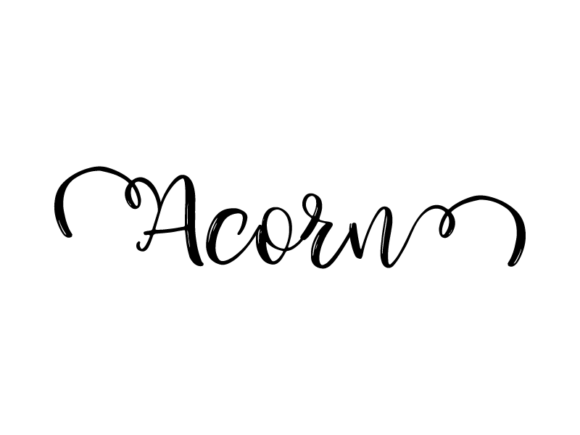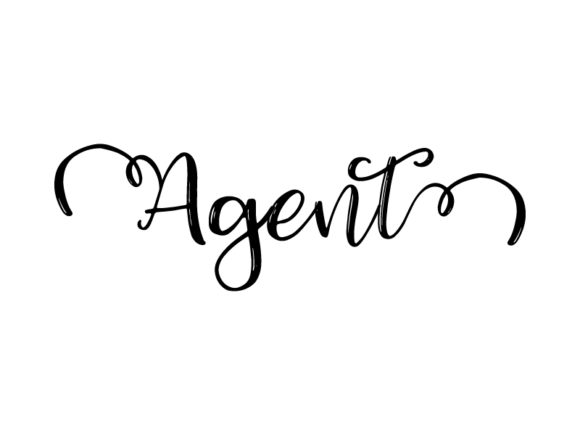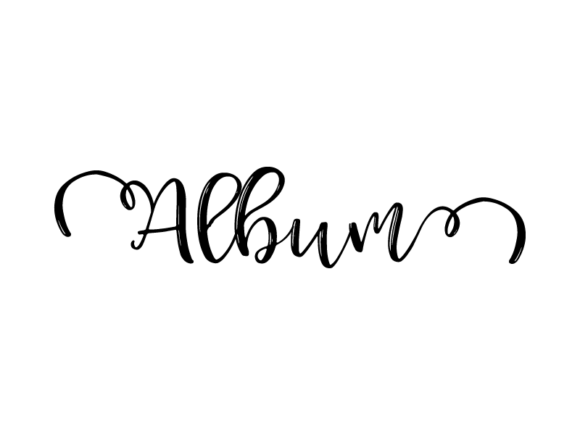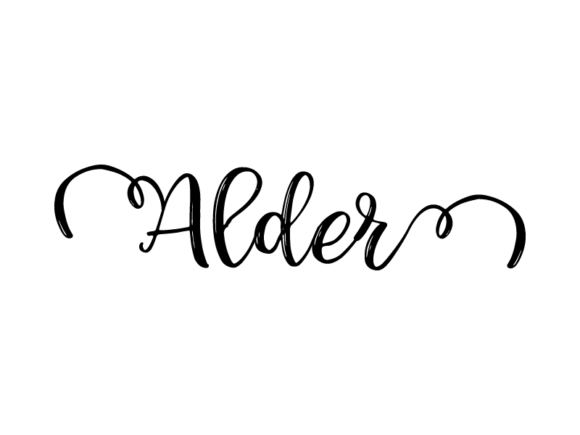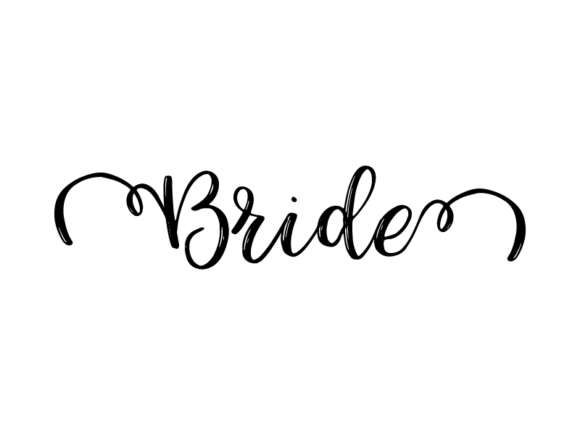
Bride Lettering: Hand-Drawn Monochrome Vector Art
Imagine a delicate, elegant script—soft curves, subtle imperfections, and quiet confidence—all captured in clean vector lines. That’s Bride Lettering: a hand-drawn, monochrome graphic lettering style designed to feel personal, timeless, and effortlessly stylish. It’s not just typography—it’s storytelling with letters. Each character is crafted by hand, then digitized into scalable SVG format, so it stays crisp at any size and adapts beautifully to nearly any surface or project.
Why This Style Stands Out
Unlike generic fonts or overused calligraphy styles, Bride Lettering carries warmth and intention. Its monochrome nature keeps focus on form and flow—no distracting colors or gradients to dilute the message. Because it’s built as vector art, every line remains smooth whether you’re printing it tiny on a gift tag or blowing it up across a wedding banner. And since it’s delivered as an editable SVG file, you’re never locked in—you can change stroke weight, adjust spacing, flip elements, or recolor it to match your brand palette or seasonal theme.
Real-Life Uses You’ll Love
This isn’t just for weddings—even though “Bride” is in the name, its versatility goes far beyond aisle decor. Think of it as expressive, refined lettering that works wherever sincerity and elegance matter.
- Clothing & Accessories: Embroider “Forever Starts Here” across the back of linen jackets, or screen-print minimalist vows onto cotton tote bags.
- Home Décor: Vinyl-cut Bride Lettering onto wooden coasters, framed canvas prints, or ceramic mugs makes heartfelt gifts that feel handmade—even when mass-produced.
- Stationery & Paper Goods: Use it for save-the-dates, ceremony programs, or thank-you cards—then repurpose the same file for digital invites or social media announcements.
- Educational Tools: Teachers print scaled-down versions for handwriting practice sheets; homeschoolers turn phrases into tactile tracing cards using Cricut or Silhouette machines.
- Branding & Marketing: Small businesses use it for boutique packaging, coffee shop chalkboard menus, or Instagram story highlights—giving digital content a grounded, human touch.
How Easy Is It to Customize?
Very. If you’ve opened Adobe Illustrator, Affinity Designer, or even free tools like Inkscape or Vectr, you already have what you need. The SVG file opens with all letters grouped logically—often as individual paths or layered text objects—so you can delete, duplicate, rotate, or reposition letters without losing quality. Want softer edges? Apply a slight Gaussian blur. Prefer bolder contrast? Increase stroke width or convert outlines to fills. Need pastel pink instead of black? One color-swap click does it.
No design degree required—but knowing a few basics helps. For example, keeping consistent stroke weight across resized versions ensures visual harmony. And if you plan to cut this with a craft machine, check that open paths are closed and overlapping shapes are simplified first—most files come pre-optimized, but double-checking saves time later.
Who Benefits Most—and Why
Beginners appreciate how approachable Bride Lettering feels: no steep learning curve, no expensive subscriptions needed. Just download, open, tweak, and go. Educators love its flexibility for classroom crafts and inclusive projects—students of all skill levels can personalize posters or greeting cards using the same base file. Entrepreneurs use it to maintain cohesive branding across physical products and online stores without hiring a designer for every variation.
Freelancers and creatives often layer Bride Lettering over photos or textures for editorial layouts, while textile designers repeat motifs across fabric swatches. Even jewelry makers etch scaled-down initials into pendant blanks—or laser-cut matching sets from birch plywood for wedding favors.
Smart Things to Keep in Mind
Before diving in, consider your end use. If you're planning embroidery, remember that ultra-thin strokes may not stitch cleanly—slightly thicker outlines (0.75–1pt minimum) work best. For large-format printing like banners or wall decals, confirm your software exports at high resolution—even vector files rely on proper export settings.
Also, think about context. Bride Lettering shines when paired with ample white space and minimal supporting graphics. Overcrowding it with icons or busy backgrounds can mute its quiet charm. Let the lettering breathe—and let it speak.
Where Else Can You Use It?
The list keeps growing because the format is future-proof. Try it in:
- Social media templates—Instagram carousels, Pinterest pins, TikTok captions
- Digital planners and printable habit trackers
- Book covers and chapter dividers for self-published e-books
- UX interface elements—like gentle onboarding messages or app welcome screens
- Mixed-media collages where scanned textures meet crisp vector lines
- Custom packaging stamps for artisan soap, candles, or tea blends
You don’t need to be a pro to get great results. Many users start by simply resizing a phrase, changing the color to match their logo, and dropping it into a Canva flyer. Others build full brand systems around it—using variations of the same letterforms across business cards, email headers, and product tags. Consistency builds recognition; authenticity builds connection.
Ready to Make It Your Own?
Bride Lettering invites creativity—not perfection. It’s meant to be adapted, layered, softened, sharpened, repeated, or left beautifully alone. Whether you’re designing for a client, making something meaningful for a friend, or launching your own lifestyle brand, this hand-drawn vector lettering gives you both structure and soul. It bridges tradition and modernity, craftsmanship and convenience, simplicity and significance—all in one scalable, editable, endlessly reusable file.
So go ahead—open your favorite design tool, import the SVG, and try your first edit. Resize it. Recolor it. Add it to a pillow mockup. Print it on kraft paper. Stitch it onto denim. See how quickly “just a font” becomes part of your voice.