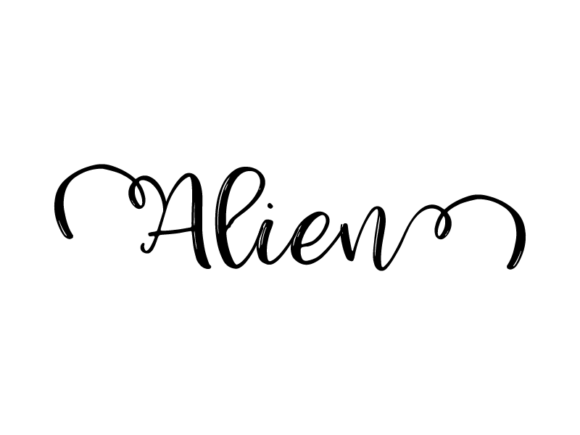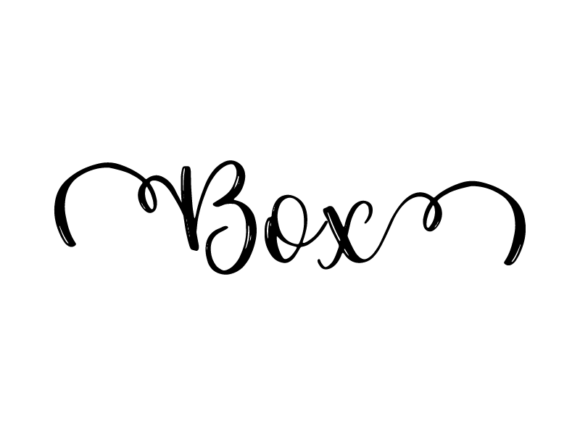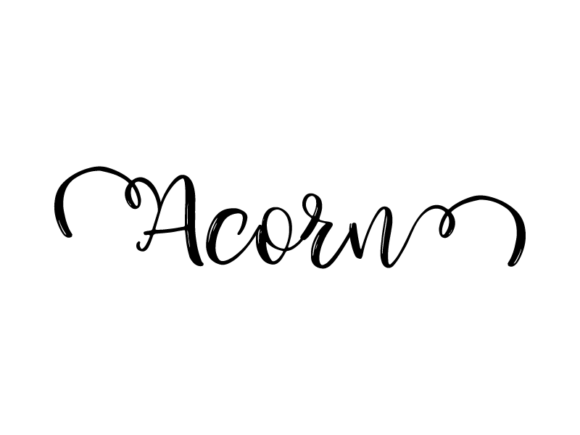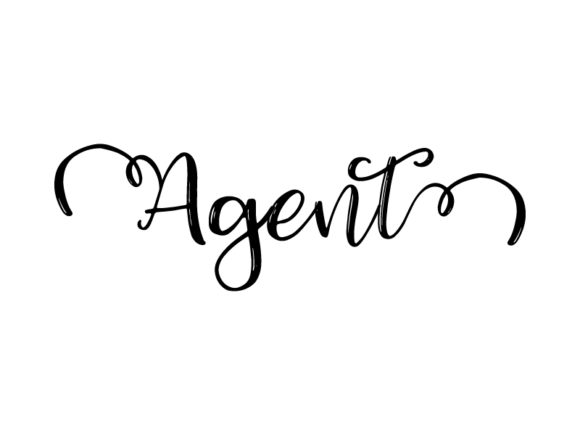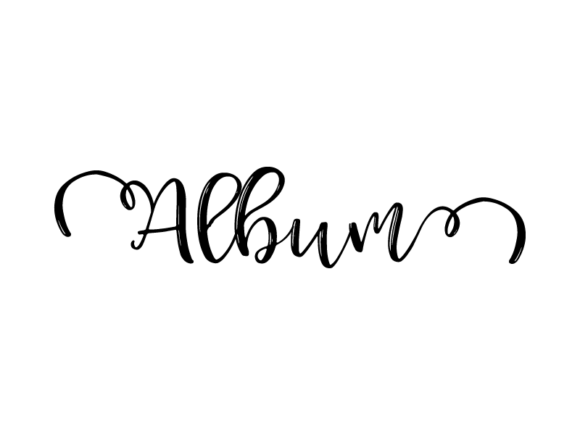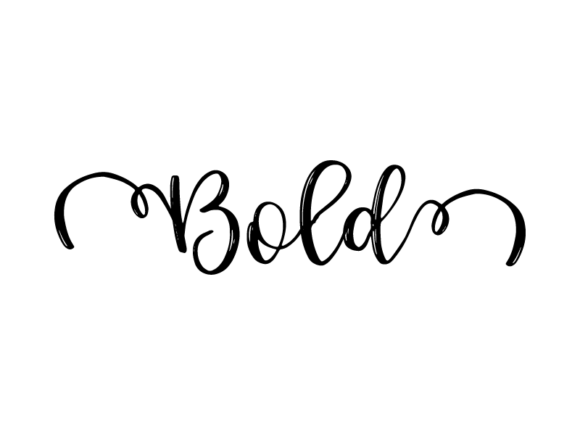
Bold Lettering
What Is Bold Lettering—And Why It’s More Than Just Big Text
Bold Lettering isn’t just about thick strokes or high-contrast fonts. It’s a hand-drawn vector monochrome graphic lettering concept—crafted with intention, rhythm, and expressive weight. Each letter feels like it was sketched with ink on paper: slightly imperfect, full of character, yet precisely scalable as an SVG file. Unlike standard fonts, Bold Lettering is designed to be *tactile*, *adaptable*, and *visually grounded*—making it ideal for creators who value authenticity alongside versatility.
Designed for Real-World Making
This isn’t decorative clip art. Bold Lettering arrives as a clean, layered, production-ready vector file—fully editable in Adobe Illustrator, Affinity Designer, Inkscape, or any software that supports SVG. You can:
- Resize infinitely without pixelation—perfect for tiny tags or wall-sized posters;
- Recolor in seconds to match brand palettes, seasonal themes, or mood boards;
- Isolate individual letters or rearrange words to build custom phrases;
- Convert to cut paths for Cricut, Silhouette, or laser cutting machines;
- Layer with textures, halftones, or hand-drawn elements to deepen visual storytelling.
Where Bold Lettering Fits—Across Mediums and Mindsets
Whether you’re screen-printing t-shirts, designing a wedding invitation suite, or prototyping a product label, Bold Lettering bridges digital precision and human warmth. Its monochrome nature ensures crisp output at any scale—and its vector foundation means no compromises in fidelity.
For Makers & Crafters
Turn a simple phrase into a statement piece: stitch “Breathe” onto linen pillow covers, etch “Gather” onto ceramic mugs, or foil-stamp “Create” onto kraft gift tags. Because the outlines are clean and stroke-based—not rasterized—it cuts cleanly on vinyl, transfers flawlessly to fabric, and prints sharply on textured paper.
For Educators & Students
In classrooms, Bold Lettering becomes more than decoration—it’s a teaching tool. Use it to build vocabulary walls, design interactive bulletin boards, or create tactile spelling cards. Its strong silhouette supports visual memory, while its editable nature lets students remix letters to explore composition, hierarchy, and contrast.
For Designers & Brands
Brands seeking approachable authority—think independent bookshops, wellness studios, artisanal bakeries—find resonance in Bold Lettering. It conveys confidence without coldness. Layer it over photography for social posts, integrate it into packaging mockups, or adapt it into a secondary logo mark. Its monochrome base makes it endlessly flexible across print, web, and environmental applications—from business cards to storefront signage.
Real-Life Applications—Beyond the Obvious
You’ll find Bold Lettering thriving where clarity meets charm:
- Home décor: Stencil “Grow” onto nursery walls, embroider “Home” onto tea towels, or laser-cut “Rest” into wood shelf brackets;
- Digital content: Animate single letters for Instagram Stories, use as hero text in email headers, or embed in Figma UI kits for consistent typographic tone;
- Promotional materials: Print “Yes!” on limited-edition tote bags, emboss “Thank You” on premium thank-you cards, or wrap “New” around product launch banners;
- Textile & surface design: Repeat “Flow” as a subtle all-over pattern on notebook covers, rotate and mirror “Rise” for scarf motifs, or combine with botanical line art for fabric collections;
- Educational tools: Create flashcards with phonetic breakdowns (“C-A-T”), design classroom rules posters with bold action verbs (“Listen”, “Share”, “Try”), or illustrate growth mindset mantras for student journals.
Strengths That Stand Out
What sets Bold Lettering apart isn’t just aesthetics—it’s functional intelligence:
- No licensing surprises: Use commercially—on physical goods, digital assets, and client projects—without per-use fees or attribution requirements;
- Zero font dependency: No need to install or license matching typefaces—everything lives inside the vector file;
- Fast iteration: Swap colors for A/B testing social ads; adjust spacing for responsive web layouts; convert to outline for print-safe PDFs;
- Cross-platform compatibility: Works equally well in Canva (via SVG upload), Procreate (with vector import plugins), and professional design suites.
Things to Keep in Mind
While Bold Lettering excels in flexibility, it’s important to align expectations with intent:
It’s not a typeface family. You won’t find italic variants, condensed weights, or paragraph-friendly kerning tables. It’s built for impact—not body copy.
Hand-drawn doesn’t mean low-fidelity. Every curve and junction is refined for stability at small sizes (down to 12pt when rendered crisply) and legibility at large formats (up to 10 feet wide).
Monochrome ≠ limiting. Because it’s vector-based, you can apply gradients, duotones, shadows, or even animated fills—without sacrificing editability.
How to Choose the Right Bold Lettering for Your Project
Ask yourself three questions before downloading or purchasing:
- What’s the primary medium? If it’s embroidery or heat transfer, prioritize clean, closed paths with minimal inner details. For large-format printing, check for smooth anchor distribution and consistent stroke weight.
- Do you need multilingual support? Most Bold Lettering sets include A–Z, 0–9, and common punctuation—but accents, Cyrillic, or extended Latin characters may require custom requests or alternate versions.
- How much customization do you anticipate? Look for files with grouped layers (e.g., “Letters”, “Decorative Swashes”, “Background Frames”) so you can toggle visibility or recolor sections independently.
A Final Thought: Bold Lettering Is a Collaborator
Think of Bold Lettering not as a static asset—but as a responsive partner in your creative process. It invites you to slow down and consider how language lands visually: how weight implies importance, how spacing creates breath, how simplicity carries sincerity. Whether you’re pressing a logo into soy wax candles or animating a word for a nonprofit campaign, Bold Lettering gives you the foundation to express boldly—without shouting.
So go ahead: resize it, recolor it, recontextualize it. Stitch it, stamp it, screen-print it, code it, or sketch over it. Its strength lies not in being finished—but in being ready.