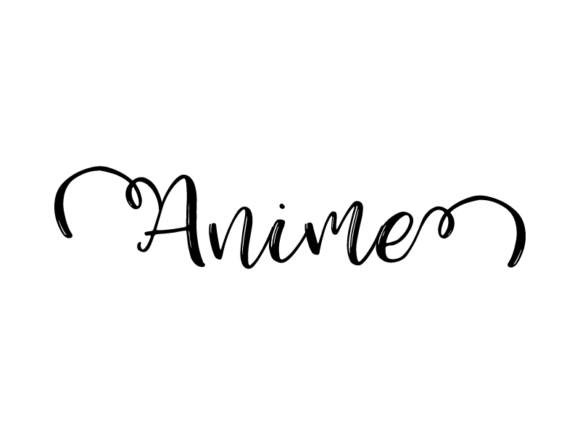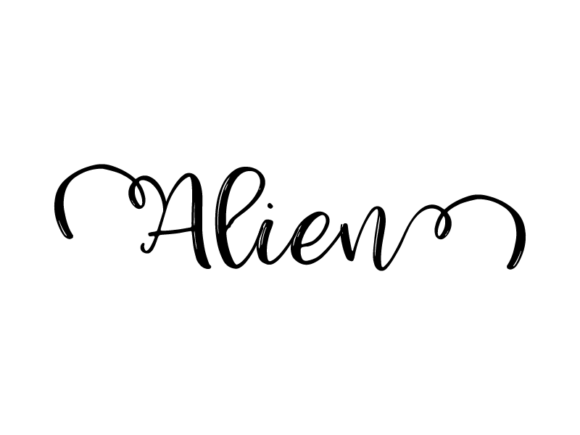
Alien Lettering: Bold, Hand-Drawn Vector Typography for Creative Expression
Alien Lettering is more than a design trend—it’s a versatile, monochrome, hand-drawn vector lettering style inspired by retro-futurism, sci-fi aesthetics, and organic imperfection. Unlike rigid digital fonts, Alien Lettering features uneven strokes, subtle asymmetry, playful distortions, and intentional “otherworldly” quirks—yet remains fully scalable and editable as clean SVG vectors. Designed for real-world use, each letterform balances character with clarity, making it ideal for creators who need expressive typography that works across physical and digital media.
Whether you're a small-batch apparel designer, an educator planning classroom crafts, a marketer launching a bold campaign, or a DIY enthusiast customizing home décor—Alien Lettering meets you where you are. It solves common creative bottlenecks: the struggle to find distinctive yet adaptable type, the time lost tweaking raster graphics, or the frustration of licensing restrictions on commercial fonts. With Alien Lettering, you get expressive personality *and* professional flexibility—in one downloadable, ready-to-use asset.
Why Designers & Makers Choose Alien Lettering
Many creators face overlapping challenges: they need typography that stands out visually but remains legible at any size; they require files that adapt seamlessly from a tiny tag on a handmade soap bar to a 6-foot event banner; and they want full creative control—no subscription fees, no font installation hassles, no rendering inconsistencies across devices. Alien Lettering answers all three.
Because it’s delivered as a hand-crafted vector (SVG), every curve, corner, and contour is mathematically precise—yet retains the warmth and variation of true hand-drawn art. You’re not just selecting a font—you’re working with intentional, human-made shapes that scale infinitely without pixelation. Resize to 12 pt for a business card or 12 ft for a wall mural: the integrity stays intact. Recolor in seconds for brand alignment or seasonal updates. Layer, distort, or combine letters with other vector elements—no loss of quality.
Real-World Applications That Deliver Results
Alien Lettering thrives where personality and practicality intersect. Here’s how users apply it—and what they achieve:
- Apparel & Textiles: Print Alien Lettering onto t-shirts, tote bags, or pillow covers for eye-catching, boutique-ready designs. Its monochrome base ensures crisp screen printing and low-color DTG runs—reducing production cost while maximizing visual impact.
- Educational & Craft Projects: Teachers use Alien Lettering cut files for classroom lettering exercises, tactile spelling games, or collaborative mural projects. Its strong outlines make it ideal for vinyl cutting machines (Cricut, Silhouette), enabling quick, reusable learning tools.
- Branding & Packaging: Small businesses adopt Alien Lettering for product tags, jar labels, and packaging accents—adding artisanal authenticity without sacrificing professionalism. The hand-drawn feel conveys care and uniqueness; the vector foundation ensures consistency across web, print, and retail environments.
- Digital & Social Content: Designers integrate Alien Lettering into Instagram carousels, email headers, and landing page hero text. Because SVGs embed cleanly in modern web platforms—and export effortlessly to PNG/PDF—it streamlines cross-channel campaigns without redesigning for each format.
- Home Décor & Gifts: From framed posters to ceramic mug decals and embroidered patches, Alien Lettering brings cohesive, inspirational messaging to everyday objects. Phrases like “Explore,” “Create Without Permission,” or “Stay Curious” gain emotional resonance through its expressive forms.
How to Get Started—Without Overcomplicating It
You don’t need advanced illustration skills to use Alien Lettering effectively. If you work in Adobe Illustrator, Affinity Designer, or even free tools like Inkscape or Figma, open the SVG file and begin immediately:
- Select and recolor: Click any letter, then change fill/stroke via the color panel. Try high-contrast black-on-white for posters—or soft charcoal on cream for stationery.
- Resize with confidence: Drag corners freely. No blurring, no jagged edges—just smooth, proportional scaling.
- Customize composition: Adjust letter spacing (kerning) manually, rotate individual glyphs for dynamic layouts, or layer letters over photos or textures for depth.
- Prepare for production: Export as SVG for web use, PDF for print vendors, or DXF for laser cutting. For vinyl cutting, ungroup letters and convert strokes to outlines—standard prep that takes under a minute.
Pro tip: Pair Alien Lettering with minimalist sans-serifs or neutral serif body text. Its expressive nature shines brightest when supported—not competed with—by quieter supporting type.
Tailoring Alien Lettering to Your Role
Your goals shape how you’ll use Alien Lettering—and that’s by design. A teacher might prioritize ease of cutting and durability for student reuse. A social media manager focuses on fast adaptation across post sizes and platform-safe dimensions. A textile designer explores how letterforms interact with fabric grain or embroidery stitch density. And a branding consultant evaluates how well Alien Lettering reflects a client’s voice—playful? visionary? grounded yet imaginative?
That adaptability is intentional. Alien Lettering isn’t prescriptive—it’s a foundational tool. You decide whether it anchors a full visual identity system or serves as a single accent element. You choose when to emphasize its “alien” eccentricities (exaggerated terminals, floating serifs, warped baselines) and when to simplify for broader appeal. There’s no single “right” way—only what serves your audience and objective.
Practical Considerations Before You Begin
While Alien Lettering is highly flexible, keep these points in mind for best results:
- Legibility first: Extremely stylized variations may reduce readability at small sizes or low contrast. Test phrases in context—especially for signage, apparel tags, or accessibility-focused materials.
- File compatibility: SVG is widely supported, but some older cutting machines or legacy print workflows prefer EPS or AI formats. Most providers include multiple exports—check your source.
- Licensing clarity: Ensure your Alien Lettering package includes commercial use rights if applying to client work, merchandise, or digital products. Reputable sources clearly state usage scope (e.g., unlimited physical products, 500K digital impressions).
- Consistency across applications: When using across multiple products (e.g., mugs + notebooks + web banners), save a master color palette and baseline sizing guide—so your brand feels unified, not accidental.
Alien Lettering invites intentionality—not just decoration. It encourages you to ask: What feeling do I want this word to carry? Who needs to read it—and where? How does this letterform support my larger goal? When used thoughtfully, it becomes more than graphic flair. It becomes functional storytelling—with a distinct, memorable voice.