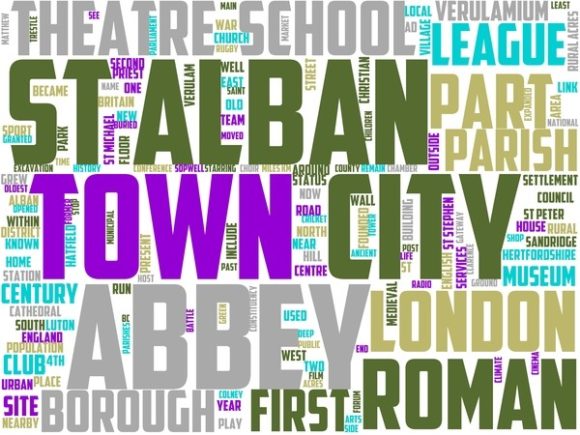
Saint Albans Wordart Tumbler
Imagine a tumbler that doesn’t just hold your morning coffee—it sparks conversation, reflects personality, and quietly communicates values like creativity, resilience, or joy. That’s the quiet power of the Saint Albans Wordart Tumbler: a functional piece elevated by a hand-drawn, colorful wordcloud design rooted in thoughtful typography and intentional visual rhythm. It’s not just decoration—it’s a curated language made tangible.
What Makes This Wordart Design Stand Out
Unlike algorithm-generated word clouds, the Saint Albans Wordart Tumbler features an original, hand-drawn composition. Every curve, angle, and overlap was shaped by human intention—not data weight alone. Words like “curious,” “create,” “breathe,” “grow,” and “gather” nestle organically within one another, varying in size and orientation to guide the eye without overwhelming it. The palette leans into warm, approachable tones—terracotta, sage, buttery yellow, soft indigo—designed to print cleanly across materials and screen smoothly in digital mockups.
This isn’t clipart. It’s a design asset built for versatility: high-resolution vector files (SVG, EPS) and print-ready PNGs with transparent backgrounds mean you can scale it from a ¾-inch sticker to a 48-inch wall poster without losing clarity or charm.
Crafting With Purpose: Real Applications Across Mediums
Whether you’re silkscreening on tote bags or laying out a workshop handout, the Saint Albans Wordart Tumbler adapts because its structure supports meaning—not just aesthetics. Here’s how different creators use it:
- Small business owners embed it into reusable cup sleeves or café coasters—pairing the tumbler’s physical utility with messaging that reinforces brand warmth and community focus.
- Educators and coaches simplify complex themes (like growth mindset or emotional regulation) by printing the wordcloud onto classroom posters or student reflection journals—turning abstract ideas into visual anchors.
- Freelance designers use the layered vector file to isolate individual words, recolor sections, or combine phrases with custom illustrations—making each project feel bespoke, not templated.
- Textile artists repeat the pattern at low opacity across fabric for subtle background texture on pillow covers or aprons—adding narrative depth without visual noise.
Designing Thoughtfully: Tips for Stronger Results
Using word-based art well means balancing legibility with feeling. A few practical considerations:
- Respect hierarchy: If repurposing for a business card or social media banner, identify one anchor word (“thrive,” “connect,” “make”) and enlarge it slightly—keeping others supportive, not competitive.
- Test contrast early: When applying to dark surfaces (navy mugs, charcoal notebooks), invert or lighten key words rather than boosting saturation. Clarity trumps vibrancy every time.
- Leave breathing room: Don’t stretch the full cloud to fill every inch of a layout. Let negative space frame the idea—especially important for embroidery or laser-cut wood signs where density affects production.
- Stay consistent with tone: If your brand voice is calm and grounded, avoid pairing this wordcloud with ultra-thin fonts or sharp geometric borders. Soft edges and rounded typefaces harmonize naturally.
From Concept to Craft: Project Ideas You Can Start This Week
You don’t need a studio or big budget to begin. Try these accessible, low-risk ways to bring the Saint Albans Wordart Tumbler into your workflow:
- Custom gift tags: Print on kraft cardstock, punch a hole, and tie to handmade soaps or candles. Swap out one or two words (“nourish,” “pause”) to match the product’s intention.
- Digital course welcome screens: Use the wordcloud as a subtle watermark behind your headline slide—softened to 15% opacity—to reinforce core values before the first lesson begins.
- Scrapbook headers: Cut out individual words with precision scissors or a cutting machine. Layer them over photos using foam dots for gentle dimension.
- Sticker sheets for planners: Scale down clusters of related terms (“plan,” “focus,” “review”) into cohesive mini-groups—ideal for habit trackers or weekly reflection pages.
- Classroom door decor: Mount on foam board, add a laminated title strip (“Room 204: Where Curiosity Lives”), and let students point to words that describe how they’re feeling that day.
Why This Resonates Beyond Trend
In a landscape saturated with generic motivational quotes and AI-generated visuals, the Saint Albans Wordart Tumbler stands apart because it invites participation—not passive consumption. Its hand-drawn origin signals care. Its balanced composition avoids visual fatigue. And its open-ended phrasing leaves room for personal interpretation: “gather” might mean family dinners to one person, collaborative projects to another, or seasonal harvests to a third.
That flexibility is why educators use it in inclusive classrooms, marketers apply it to multicultural campaign assets, and therapists integrate it into expressive arts tools—each adapting the same foundation to meet distinct human needs.
Getting Started—Without Overcomplicating
You don’t need design software to begin. Start with what you have:
- If you use Canva, upload the PNG and place it over solid-color backgrounds—try muted clay or oatmeal for warmth.
- If you’re screen-printing, work with a local shop that accepts vector files; ask them to pre-press a test swatch on your chosen fabric or mug material.
- If you're journaling or teaching, print a single sheet at 50% scale, cut out words with scissors, and arrange them freely on paper before gluing—no rules, no pressure.
The Saint Albans Wordart Tumbler works best when treated as a tool—not a finished statement. It gains meaning through your choices: which words you emphasize, where you place it, who sees it, and how it connects to what matters in that moment.
So whether you’re designing a launch campaign, prepping a teacher appreciation gift, or simply refreshing your home office wall—let the words guide you, not define you. Start small. Stay intentional. Make space for both beauty and function to coexist.